
Why Budget Doesn’t Have to Mean Bland
Let’s get something straight: healthy eating doesn’t require fancy ingredients or boutique grocery stores. That idea? Total myth. The truth is, most of what your body needs can be found in basic, budget friendly foods if you know what to look for and how to plan.
It starts with balance. No need to chase fad diets or trendy supplements. Stick to core principles: a solid protein source, quality carbs, some healthy fats, and a variety of seasonal produce. When you build your meals around staples like lentils, eggs, oats, rice, and whatever fruits and veggies are in season, you’re already most of the way there nutritionally and financially.
The next weapon: planning. Last minute meals almost always cost more. Take the time to build your week around a few core ingredients that stretch across dishes. Today’s roasted veg can be tomorrow’s soup base or wrap filling. Yesterday’s beans show up again in a burrito bowl. Intentional repetition saves both time and money.
Smart shopping brings it all together. Choose whole ingredients over pre packed ones. Buy in bulk where it makes sense. Freeze leftovers. Healthy eating on a budget isn’t about restrictions it’s about strategy.
Planning Meals with Intention
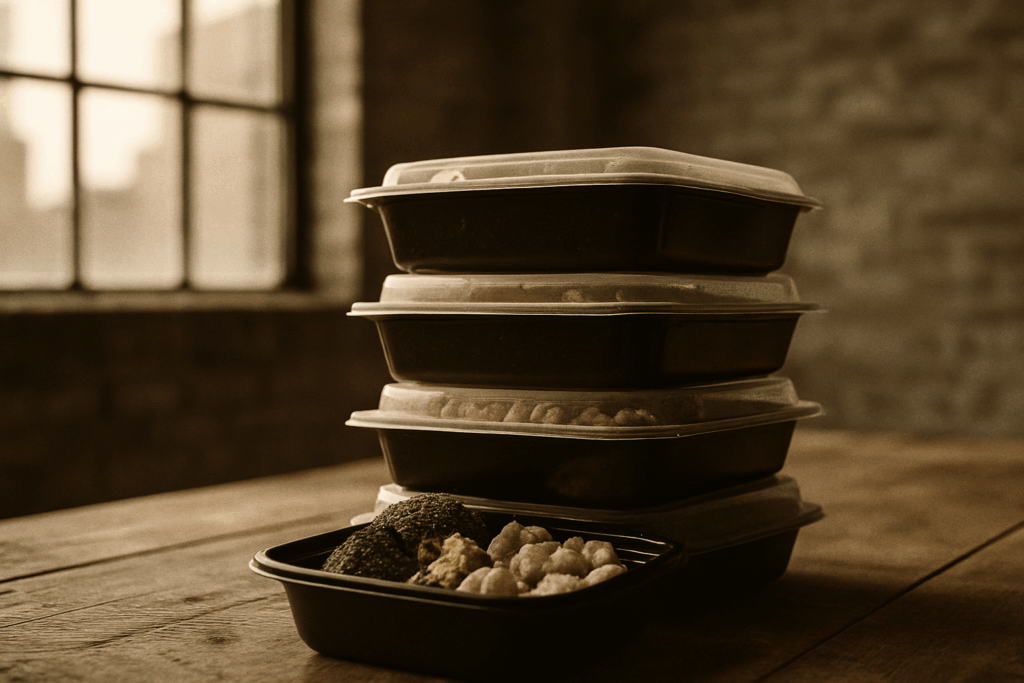
If you’re trying to eat well without torching your budget, planning is your best weapon. Start with batch cooking. Pick one or two days a week to cook in bulk big batches of rice, beans, roasted veggies, or proteins and portion them out. It cuts down on idle prep time and makes healthy meals harder to skip when life gets chaotic. Plus, buying ingredients in larger quantities is often cheaper per serving.
Next up: create a rotating meal structure. This doesn’t mean eating the same dish every night it’s about categories. Tacos on Tuesday. Stir fry Thursdays. Leftover Fridays. Having a loose framework means fewer decisions, less food waste, and smaller grocery bills because you actually use what you buy.
As for pantry and freezer staples, think long shelf life and versatile. Canned beans, frozen veggies, pasta, oats, tuna, peanut butter, and broth are MVPs. They’re cheap, stretchable, and can be turned into a solid meal with minimal effort. Especially when combined with your batch cooked proteins or grains.
Want to see how it all comes together? Try a proven system: family meal planner. It’ll help you plan ahead, reduce stress, and keep grocery prices in check.
Dried vs. Canned vs. Fresh: What’s Really Best?
There’s no one size fits all answer. Fresh produce is great when it’s in season and on sale, but it spoils fast and adds up quick. Canned goods get a bad rap, but they’re shelf stable, versatile, and often just as nutritious just rinse to cut sodium. Dried items (like beans, lentils, and grains) are the budget hero: cheap per serving and great in bulk, though they take more prep. Smart cooking means mixing all three for both value and flexibility.
Budget Friendly Proteins
You don’t need steak to hit your protein goals. Dried lentils cook fast and pack fiber. Eggs are still one of the cheapest complete proteins around. Chicken thighs cost less than breasts and taste better in slow cooked dishes. Tofu? Underrated it absorbs flavor like a sponge and works in stir fries, soups, even the air fryer. Prioritize what fits your tastes and cooking skills convenience still matters.
Nutrient Dense Carbs
Simple carbs burn fast and leave you hungry again. On a budget, reach for slow burn options like brown rice, oats, sweet potatoes, whole grain pasta, and quinoa when it’s on sale. These give you fiber, energy, and essential minerals without the cost spike. Don’t forget to check bulk bins and store brands they’re usually half the price and just as good. Shopping with a plan lets you get the most fuel for the fewest dollars.
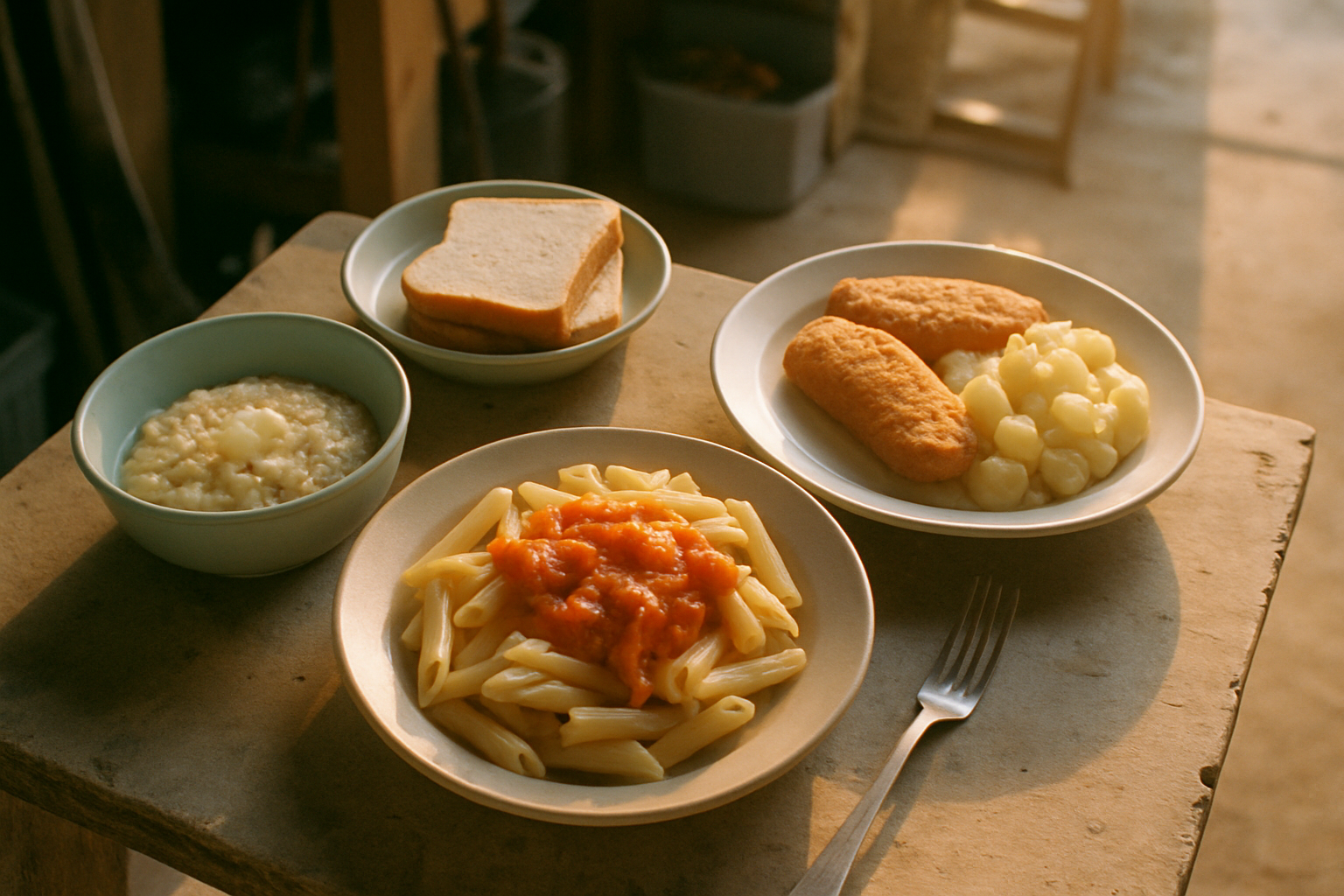
Sample 3 Day Meal Plan on a Budget
Day 1
Breakfast: Overnight oats with banana soak old fashioned oats in milk or a non dairy alternative overnight. Add sliced banana in the morning. Cheap, filling, and ready when you wake up.
Lunch: Lentil and veggie soup simmer canned lentils with frozen mixed vegetables, onion, garlic, and a bouillon cube. Simple, hearty, and good for leftovers.
Dinner: Stir fried rice with frozen mixed vegetables and scrambled eggs cook rice ahead of time for best texture. Toss with veggies, soy sauce, and eggs in a hot pan.
Day 2
Breakfast: Greek yogurt with frozen berries the tangy yogurt balances the sweet and tart berries. Thaw berries overnight if you want them soft by morning.
Lunch: Chickpea salad wrap mix canned chickpeas with chopped veggies, a little olive oil, and lemon. Smash and wrap it all in a tortilla. Protein heavy and on the go friendly.
Dinner: Baked chicken thighs with roasted sweet potatoes and steamed broccoli thighs are affordable, flavorful, and forgiving. Roast everything on one sheet pan for less cleanup.
Day 3
Breakfast: Peanut butter toast and apple slices basic, but tight on protein, fiber, and crunch. Use whole grain bread for longer lasting energy.
Lunch: Rice and black bean burrito bowl use leftover rice, add canned black beans, corn, salsa, and whatever veggies are around. Top with a fried egg if you’re feeling it.
Dinner: Whole wheat pasta with marinara and sautéed spinach jarred marinara works fine. Cook spinach in garlic before mixing in. Budget friendly and hits the comfort zone.
Tools to Make It Easier
The weekly shopping list is your first line of defense against bloated grocery bills and dinner time stress. Build your list around what you’ll actually eat no aspirational extras. Cross reference meals you’ve planned for the week and buy only what’s required. Repeat ingredients across meals to reduce waste. If you’re using spinach in breakfast smoothies, plan to toss the rest into pasta or salads later in the week.
Prepping ahead turns a scattered kitchen into a streamlined one. Chop hearty vegetables like carrots and onions in bulk. Cook grains like rice or quinoa in advance and freeze them in portions. Label and date everything. When the rest of the world is scrambling for takeout menus midweek, you’ll be pulling dinner from your freezer like a boss.
Want a shortcut to get started? Use this easy to follow family meal planner to cut the guesswork and build a system that sticks.
Eating Well for Less is Possible
A tight grocery budget doesn’t mean you’re stuck with frozen pizza and ramen. With a bit of structure and some planning upfront, it’s entirely possible to eat balanced, tasty meals without overspending. Start by building around basics affordable, nutrient packed foods like oats, eggs, beans, and rice. Add in seasonal produce and watch things start to come together.
The key isn’t perfection. It’s momentum. You don’t need to prep every meal like a nutritionist on a cooking show. Just find two or three go to meals you can rotate, keep your pantry stocked with the right building blocks, and batch cook when you can. Over time, the process gets easier and cheaper.
Healthy eating on a budget isn’t about hard rules. It’s about small, smart choices that stack up. Once you get a system down, it stops feeling like a chore and becomes part of how you live.
 Travison Lozanold is the kind of writer who genuinely cannot publish something without checking it twice. Maybe three times. They came to weight loss strategies through years of hands-on work rather than theory, which means the things they writes about — Weight Loss Strategies, Healthy Eating Tips, Meal Planning Ideas, among other areas — are things they has actually tested, questioned, and revised opinions on more than once.