
What Counts as Ultra Processed?
Ultra processed foods aren’t just convenient they’re creations built in labs more than kitchens. The NOVA food classification system breaks everything down into four groups, but it’s Group 4 ultra processed foods that should raise eyebrows. These are products made mostly or entirely from substances not commonly used in home cooking: flavor enhancers, colorings, emulsifiers, preservatives, and texturizers.
Think: instant noodles, sugary breakfast cereals, packaged cookies, frozen pizzas, and snack cakes. These aren’t just “processed” in the basic sense they’ve been broken down and reassembled with industrial additives to extend shelf life and hook taste buds. A lot of them barely resemble the ingredients they started from.
What makes them especially sneaky? The hidden extras. Things like high fructose corn syrup, maltodextrin, artificial sweeteners, and “natural flavors” (a vague catch all that can hide dozens of chemical compounds). Many of these ingredients don’t sound dangerous and in isolation, they’re not. But in large amounts and over long periods, they stack up. That’s what makes Group 4 so important to watch.
If the ingredient list looks more like a chemistry set than something you could cook with, it’s probably ultra processed.
The Latest Science on Health Risks
As the consumption of ultra processed foods (UPFs) continues to rise, so does concern from the health and medical communities. Emerging research is painting a clearer picture of just how deeply UPFs impact our bodies from chronic diseases to mental health disorders.
Chronic Inflammation on the Rise
One of the most well documented effects of ultra processed foods is persistent, low grade inflammation in the body. This type of inflammation is not isolated to one system; it’s systemic and contributes to a wide range of health issues.
Additives and emulsifiers may disrupt the body’s immune response
Pro inflammatory ingredients like excess sugar and industrial seed oils are common in UPFs
Chronic inflammation is seen as a key factor in many long term diseases
Increased Risk of Metabolic and Cardiovascular Diseases
UPFs are strongly linked to metabolic conditions, including:
Obesity: High calorie density coupled with low satiety leads to overeating
Type 2 Diabetes: Frequent blood sugar spikes from refined carbohydrates increase insulin resistance
Heart Disease: Excess sodium, unhealthy fats, and sugar put major strain on the cardiovascular system
Several long term cohort studies have consistently shown that those with diets high in UPFs have significantly higher rates of these illnesses.
Mental Health: A Growing Concern
Recent studies are uncovering alarming connections between diet and mental well being. Ultra processed diets may be contributing to:
Depression: Diets high in UPFs are correlated with a higher risk of depressive symptoms
Cognitive Decline: Regular consumption has been linked to impaired memory and attention especially in older adults
Lack of essential nutrients, like omega 3s and antioxidants, may further impair brain function
Gut Microbiome Disruption
Your gut health plays a foundational role in overall wellness, and ultra processed foods offer little in the way of microbial nourishment.
Artificial ingredients and preservatives can alter gut microbiota composition
Reduced fiber intake from processed foods diminishes microbial diversity
A weakened microbiome contributes to inflammation, poor digestion, and even mood disorders
For a deeper dive, see: processed food impact
Why Modern Diets Are Ultra Processed by Default

Ultra processed foods aren’t just popular they’re hard to avoid. The reason is simple: they’re fast, cheap, and everywhere. For busy people trying to get through the day, grabbing a microwaveable meal or snack bar often wins over chopping vegetables or cooking from scratch. The convenience comes at the cost of nutrition, and most don’t even realize how much they’re trading away.
Marketing makes the situation worse. Packaging screams “high protein” or “low fat,” while burying added sugars, emulsifiers, and synthetic oils in the ingredient list. Ads blur the line between treats and fuel, pushing processed snacks as meal replacements or workout essentials. We’re conditioned to choose easy even when it’s not good for us.
Then there are the harder barriers: food deserts, low income neighborhoods, and limited access to fresh produce. When the nearest grocery store is a 40 minute ride away, and the local corner store is stocked with soda and Vienna sausages, real choice goes out the window. Eating better isn’t just about willpower it’s about access, time, and affordability.
In short, we’ve built a system that makes the worst food the easiest to get. That’s why ultra processed eating isn’t the exception anymore it’s the default.
Avoiding the Trap
Cutting back on ultra processed foods doesn’t mean going off grid or becoming a full time chef. It starts with small habits and smarter choices.
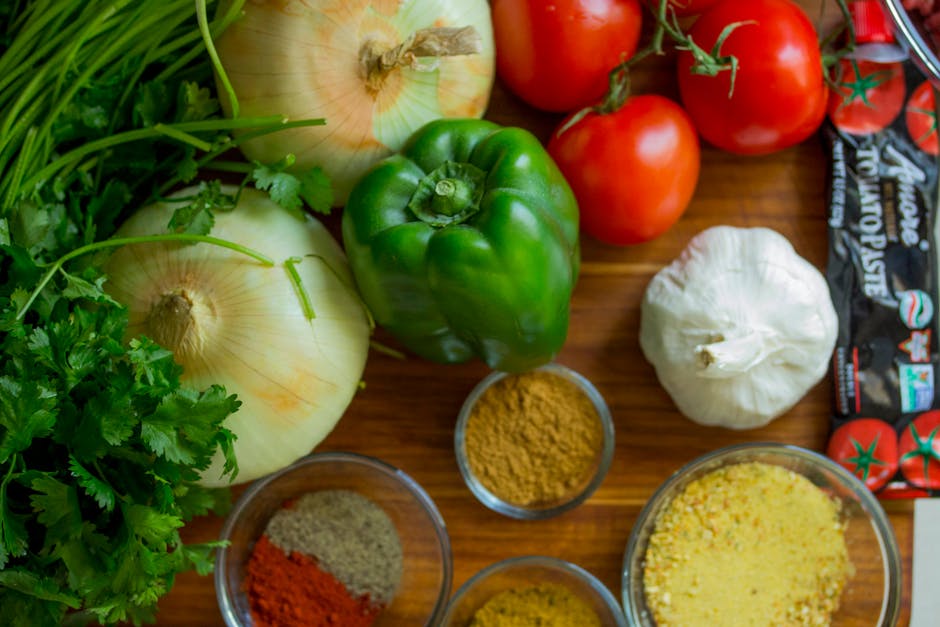
Swap instant noodles with whole grain pasta or rice with quick sautéed veggies. Trade sugary breakfast cereals for plain oats topped with fruit or nuts. Jarred sauces often come loaded with sugars and additives make your own with canned tomatoes, garlic, and spices. Even something simple like choosing air popped popcorn over chips can make a noticeable difference.
Reading labels is your first line of defense. Keep an eye out for lengthy ingredient lists especially ones that include things you wouldn’t cook with at home. Watch for added sugars (anything ending in “ ose”), hydrogenated oils, and flavor enhancers like MSG. Just because something claims to be “organic” or “natural” doesn’t mean it’s minimally processed.
And yes, cooking matters. You don’t have to be perfectly gourmet just heat up a pan. Cooking even a couple times a week gives you control over ingredients, reduces reliance on microwave meals, and helps you connect to what you’re putting in your body. It’s not about perfection. It’s about clearing space for real food again.
(Explore more on this topic here: processed food impact)
The Bottom Line on Food Choices Today
Making smart food choices in today’s heavily processed world can feel like swimming upstream but it’s far from impossible. With awareness and small shifts, real improvements are within reach.
Ultra Processed Foods Are Everywhere
From breakfast cereals and snack bars to frozen meals and sweetened beverages, ultra processed foods dominate supermarket shelves. Their convenience and long shelf life make them easy picks for busy lives, but they often come at the cost of nutritional quality.
Typically high in added sugars, unhealthy fats, sodium, and additives
Designed for overconsumption and long term shelf stability, not health
Public health experts now view them as a major dietary risk factor
But Better Options Exist
Fortunately, whole and minimally processed foods are increasingly accessible and appealing. You don’t need to overhaul your diet overnight to make progress. Start small.
Choose fresh or frozen fruits and vegetables when possible
Opt for whole grains like oats, brown rice, and quinoa over instant options
Swap highly processed snacks for nuts, yogurt, or homemade alternatives
Awareness is the First Step
Simply starting to look at labels and recognize common additives is a powerful habit. The more mindful you are about what’s in your food, the easier it becomes to make informed choices.
Watch for ingredient lists with more than a few items or unfamiliar chemicals
Be wary of marketing claims like “natural” or “low fat” without context
Small Choices, Big Impact
You don’t need perfection just consistency. Each meal is a chance to support your long term health, and small decisions compound over time.
Cook at home more often, even if it’s simple
Focus on balance, not restriction
Every better choice fuels momentum for the next
Taking back control of your plate starts with one decision at a time.
 Travison Lozanold is the kind of writer who genuinely cannot publish something without checking it twice. Maybe three times. They came to weight loss strategies through years of hands-on work rather than theory, which means the things they writes about — Weight Loss Strategies, Healthy Eating Tips, Meal Planning Ideas, among other areas — are things they has actually tested, questioned, and revised opinions on more than once.