
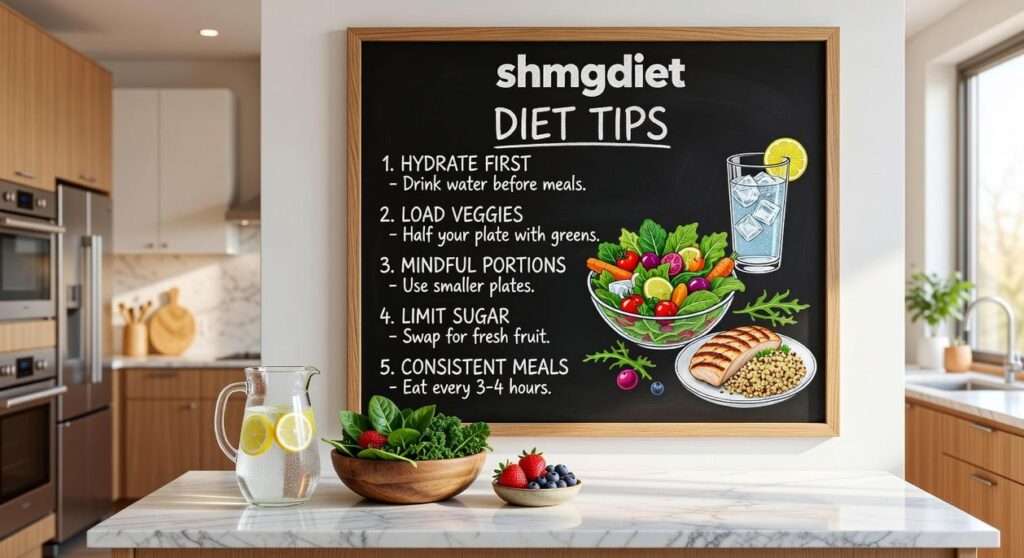
I’ve spent years cutting through diet nonsense to find what actually works for weight management.
You’re probably tired of conflicting advice. One expert says carbs are the enemy. Another swears by intermittent fasting. Someone else is pushing keto or paleo or whatever’s trending this month.
Here’s the truth: sustainable weight loss comes down to two things. Choosing foods that fuel your body well and eating the right amounts of them.
That’s it.
This guide breaks down the simple science behind weight management. I’m talking about shmgdiet principles that work in real life, not just on paper.
You won’t find any magic fixes here. No supplements you need to buy. No foods you can never eat again.
What you will get is a clear framework for making better food choices. I’ll show you how to understand portions without measuring everything. And how to build meals that keep you satisfied while supporting your goals.
These strategies are based on proven nutritional science. But more importantly, they’re practical enough to stick with long term.
You’ll learn how to eat in a way that feels normal. Not like you’re on a diet.
Because the best approach to weight management is one you can actually maintain.
The Power of Nutrient Density: Eating More to Weigh Less
Here’s something most diets get backwards.
They tell you to eat less. Smaller portions. Constant restriction.
I think that’s why so many people fail.
You can’t white-knuckle your way through hunger forever. Your body will win that fight every single time.
What if I told you there’s a better way? One where you actually eat more food but still lose weight.
It sounds too good to be true. But it’s not about magic or tricks.
It’s about nutrient density.
What Nutrient-Dense Foods Actually Are
Think of it this way. Some foods pack tons of vitamins, minerals, and fiber into very few calories. That’s nutrient density.
Then you’ve got the opposite. Foods loaded with calories but almost nothing your body actually needs. We call those empty calories or calorie-dense foods (and yeah, I’m looking at you, potato chips).
A massive bowl of broccoli might have 100 calories. A small handful of candy? Same calories. But your body gets completely different things from each one.
Why You Stay Full Longer
This is where it gets interesting.
When you eat foods high in fiber and protein, something happens. You feel satisfied. Not just for 20 minutes, but for hours.
I’ve seen this play out over and over. People switch to nutrient-dense eating and suddenly they’re not thinking about food every hour. The cravings just fade.
Your body isn’t stupid. When it gets what it needs, it stops screaming at you for more food. But feed it empty calories and it’ll keep asking because it’s still missing nutrients.
Your Nutrient-Dense Shopping List
Let me break this down by category so you know exactly what to buy.
For lean proteins, I go with chicken breast and fish like salmon or cod. Greek yogurt works great too. And if you want plant-based options, lentils and beans are solid choices.
Fibrous vegetables are your secret weapon. Load up on broccoli, spinach, kale, and bell peppers. Brussels sprouts too if you don’t mind them (I know they’re polarizing).
Complex carbohydrates keep your energy steady. Quinoa, oats, sweet potatoes, and brown rice. These aren’t the enemy like some diets claim.
Healthy fats matter more than you think. Avocado, nuts, seeds, and olive oil. They help you absorb vitamins and keep you satisfied.
Pro Tip: Start by adding one nutrient-dense food to each meal before you worry about taking anything away. You’ll naturally crowd out the junk.
The beauty of this approach? You’re not constantly hungry and miserable.
You can find more practical strategies like this at shmgdiet where we focus on sustainable eating patterns that actually work.
Look, I’m not saying you’ll never eat a cookie again. But when most of your diet comes from nutrient-dense sources, those occasional treats don’t derail everything.
That’s the real power here.
Mastering Portion Control Without Scales or Apps
Let me guess.
You’ve tried tracking every calorie that goes into your mouth. Maybe you lasted a week. Maybe even a month if you’re really disciplined.
But eventually you got tired of weighing chicken breasts and logging every almond.
I hear this all the time. People know portion control matters but they hate the process of measuring everything.
Here’s what I recommend instead.
Your hand is the only tool you need.
Sounds too simple, right? Some nutrition experts will tell you this method isn’t precise enough. They’ll say you need exact measurements or you’ll never hit your goals.
But here’s what they’re missing. Perfect tracking that you quit after two weeks doesn’t beat good enough tracking that you can do forever.
The hand method works because it travels with you. No apps. No scales. No excuses.
Here’s how to use it.
Your palm measures protein. That piece of chicken or fish? It should match the size and thickness of your palm (not including fingers). This gives you about 20 to 30 grams of protein per meal.
Your cupped hand measures carbs. Rice, pasta, potatoes. Whatever fits in your cupped hand is roughly one serving. For most people that’s around 20 to 30 grams of carbs.
Your fist measures vegetables. At least one fist of non-starchy veggies per meal. Spinach, broccoli, peppers. You know the drill.
Your thumb measures fats. Oils, butter, nuts, seeds. Just the thumb portion. Fats are calorie-dense so a little goes a long way.
Now here’s why this actually works.
You’re not just controlling calories. You’re building balanced meals without thinking too hard about it. Each meal automatically includes protein for satiety, carbs for energy, and fats for hormone function.
The best diet tips shmgdiet I can give you? Start with this method for two weeks and see how your body responds. You might be surprised at how effective simple can be.
The Perfect Plate Method: A Simple Blueprint for Every Meal
You’ve probably seen those complicated meal plans with precise macros and calorie counts.
They work. But who has time to weigh everything?
Here’s what most nutrition advice misses. You don’t need a food scale or a calculator to eat well. You just need to look at your plate.
I’m going to show you a method that makes balanced eating automatic. No math required.
How to Build Your Plate
Grab a standard 9-inch dinner plate. That’s the one you probably already use.
Now here’s the breakdown.
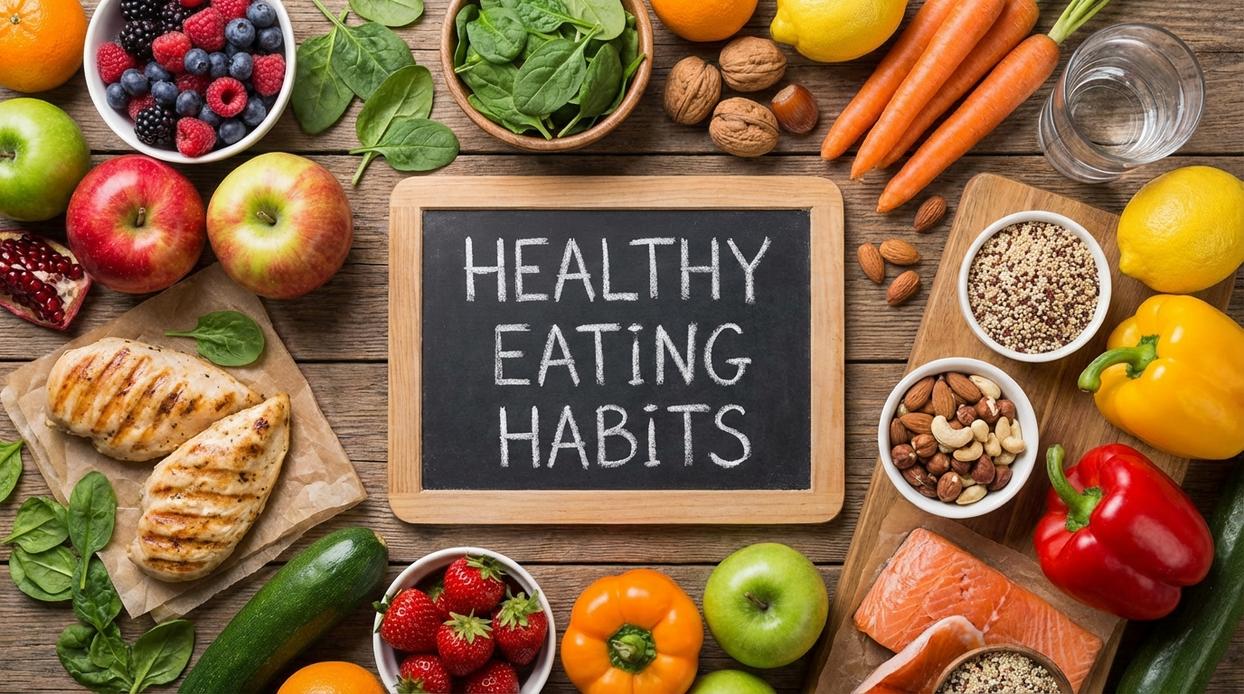
Half your plate goes to non-starchy vegetables. Think salads, steamed broccoli, roasted asparagus, sautéed spinach, or grilled zucchini. This is where you get volume without overdoing calories. Plus the fiber keeps you full longer.
One quarter is for lean protein. Grilled chicken, baked salmon, tofu, lean beef, or eggs. Protein does two things. It keeps you satisfied between meals and helps maintain muscle mass (especially important if you’re trying to lose weight).
The last quarter is for complex carbs. Quinoa, a small sweet potato, brown rice, or whole grain pasta. These give you sustained energy without the crash you get from refined carbs.
Some experts say carbs are the enemy. Others claim you need them for every meal. The truth? You need some carbs, but portion control matters more than people think.
Let me give you a real example.
Picture this: a 4oz grilled salmon fillet, a half cup of quinoa, and a large side of roasted asparagus with a drizzle of olive oil. That’s the plate method in action. Simple to prepare and perfectly balanced.
This approach is especially helpful for what diet to prevent diabetes shmgdiet focuses on. When you control portions visually, you naturally manage blood sugar better.
The best part? Once you see it a few times, you stop thinking about it. Your plate just looks right.
5 Smart Habits to Amplify Your Weight Management Results
You don’t need another complicated system.
What you need are habits that actually stick.
I’m going to be honest with you. Most weight management advice focuses on what you can’t have. Cut this. Eliminate that. Restrict everything.
That’s not how I see it.
Hydrate Strategically
Drink a full glass of water 15 to 20 minutes before each meal. It’s simple but it works.
Your stomach starts to fill up. You eat less without feeling deprived.
Some people say this is just a gimmick. That real weight loss comes from willpower alone.
But here’s my take. Why make things harder than they need to be? If a glass of water helps you feel satisfied with less food, that’s smart (not cheating).
Eat Mindfully
Slow down when you eat.
Put your fork down between bites. Chew your food thoroughly. Actually taste what you’re eating instead of inhaling it while scrolling through your phone.
I know this sounds basic. But when’s the last time you finished a meal and couldn’t remember eating it?
Your body sends fullness signals. You just need to give it time to catch up with your brain.
Use Smaller Plates
This one feels almost too simple.
But portion sizes have gotten out of control. A standard dinner plate today is bigger than what our grandparents used as serving platters.
Smaller plates make normal portions look satisfying. It’s a psychological trick that actually works.
Don’t Drink Your Calories
Water. Black coffee. Herbal tea.
That’s it for most of your day.
Those fancy coffee drinks? A venti caramel frappuccino has more calories than some meals. Fruit juice isn’t much better (it’s basically sugar water without the fiber).
If you’re serious about which diet to lose belly fat shmgdiet, liquid calories are the first thing to address.
Prioritize Sleep
Here’s what nobody wants to hear.
You can’t out-diet bad sleep.
When you’re sleep deprived, your body pumps out more cortisol. That stress hormone makes you crave sugar and carbs. It also tells your body to hold onto fat (especially around your midsection).
Research from the University of Chicago found that people who slept only 5.5 hours per night lost 55% less body fat than those who got 8.5 hours.
I’ve seen this play out over and over. You follow diet tips shmgdiet perfectly during the day. Then you’re exhausted at night and raid the pantry.
Get your sleep right first. Everything else gets easier.
Your Path to Sustainable Success
You came here frustrated with diets that don’t stick.
I get it. The weight loss world is full of conflicting advice and rules that feel impossible to follow.
But you now have something different. A simple toolkit that works with your life instead of against it.
This isn’t about perfection. It’s about principles you can actually use.
When you focus on nutrient-dense foods and use methods like the plate and hand guides, you’re not following another temporary diet. You’re building habits that last.
The diet tips shmgdiet approach works because it’s based on how you naturally eat, not some rigid meal plan you’ll abandon in two weeks.
Here’s your challenge: Build your very next meal using the Perfect Plate Method. Half your plate gets vegetables. A quarter goes to protein. The last quarter is for carbs.
That’s it. One meal using what you just learned.
You don’t need to overhaul everything tomorrow. You just need to start.
The confusion ends when you take action. Your next meal is waiting. Homepage.