
Why Weekly Meal Prep Works
Meal prep isn’t just some productivity hack. It’s a strategy that pulls its weight in the real world especially when life gets messy. Spent twenty minutes on Sunday chopping, roasting, and stacking containers? That’s five days of not scrambling for dinner while hangry or blowing cash on takeout. Weekly prep gives you control over your time and your budget, full stop.
It also keeps the snack gremlins at bay. If there’s a plan in the fridge, you’re way less likely to cave to that “screw it, chips for lunch” impulse. Consistent meals on standby help your body settle into a rhythm. You eat better because you set yourself up to.
And on those brain fog days? No decision fatigue. You’ve already mapped out what’s for lunch, what’s for dinner, and maybe what you’re tossing in your bag tomorrow. Meal prep strips out the daily food panic and replaces it with a calm, steady beat. This is not about counting calories it’s about reclaiming mental space while still eating like you care about yourself.
Get the Basics Right
Before you cook even one grain of rice, get your tools in order. Airtight containers are non negotiable they keep everything fresher, longer. A reliable meal planner (even a scribbled notebook or a notes app) helps you see the whole week at a glance. And sharp knives? They’re not just for pros. Dull blades slow you down and make prep more frustrating than it needs to be.
Now onto groceries. Don’t wing it. One solid plan = one solid trip. Sit down once, map out your meals, and build a detailed list. That means fewer impulse buys and less food waste because you’re buying with purpose.
When it comes to cooking, think in building blocks. Pick a couple proteins maybe chicken thighs and tofu. Add a few grains like rice and quinoa. Throw in vegetables you can mix and match (broccoli, bell peppers, zucchini). With a handful of sauces or spices, you’ve got serious meal flexibility all week, without needing to cook something new every night.
Master the basics, and you’re halfway to mastery.
Workflow That Actually Works
Meal prep doesn’t need to be an all day kitchen marathon. A smart workflow keeps it tight and manageable. Think of it in four parts: plan, prep, cook, store.
Plan: Choose 2 3 proteins, 2 starches, and 3 4 veggies you’ll use for the week. Make sure they mix and match well. Write it down. Keep the combinations simple and repeatable.
Prep: Chop everything up front. Portion your proteins. Wash and dry your greens. Group ingredients by how they’ll be cooked or eaten. Saves you time on the backend.
Cook: Use batch logic roast in bulk, boil multiple servings at once, consider the slow cooker or Instant Pot. If your oven’s on, fill it. Knock out the biggest components first. Set timers. Keep it moving.
Store: Use airtight containers. Divide into individual meals or store components for mix and match later. Label them (yes, really). Put the stuff you’ll eat soon near the front.
For balanced meals, aim for protein, carb, veg, and some kind of flavor boost in every container. Grilled chicken, quinoa, roasted broccoli, and a spoon of pesto? That’s a win. Tired of bland? Start with spice rubs and sauces you actually want to eat.
Timing is everything. Sunday is the classic prep day, but pick whatever day fits your rhythm. Block 2 3 hours. Put on a podcast or a playlist. Stay focused distractions kill momentum.
If you want a ready to go plan, the weekly prep guide lays it out in clear steps. No guesswork, no fluff. Just repeatable systems built for real life.
Variety Without the Extra Work
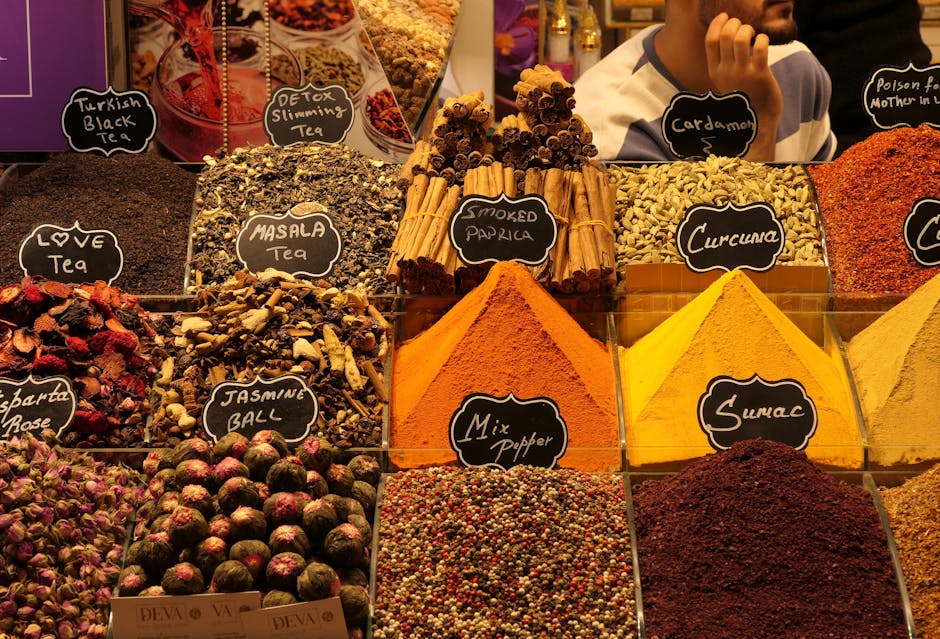
Meal prep doesn’t have to mean eating the same thing five days in a row. The key is building a mix and match foundation. Think grilled chicken, steamed rice, and sautéed veggies but then layer in variety with sauces and seasonings. BBQ one night, chimichurri the next, maybe a spicy peanut drizzle later in the week. One protein, three vibes, no extra cooking.
Frozen friendly meals also carry a lot of the load. Curries, chili, baked pasta, and most stir fries hold up well in the freezer. Portion it out, label it, and stack it for weeks you’re slammed. Bonus points for saving the good stuff for future you.
Finally, a good meal plan has breathing room. Don’t pretend you won’t grab takeout or end up with leftovers. Build in a night or two that’s not fully scheduled. That flexibility keeps the system sustainable and the fridge from turning into a museum of uneaten Tupperware.
Common Pitfalls to Avoid
Too many people dive into meal prep with the energy of a full production kitchen only to burn out by midweek. The first mistake? Over prepping. You don’t need to prep 21 different meals for 7 days. Pick 3 to 5 core recipes that use overlapping ingredients, make larger batches, and rotate. Simplicity scales.
Next up: your actual life. If your schedule is chaotic, rigid prep plans won’t survive the week. Know your routines. If you have dinner plans on Thursday, don’t make a meal for Thursday. If you grab breakfast on the go, don’t prep five smoothie jars you’ll never drink. Match your food to your calendar.
Finally flavor. Healthy and efficient doesn’t mean bland. Keep a rack of spices in rotation, prep sauces in batches, and don’t sleep on herbs. Even a budget prep can taste like restaurant takeout if you layer it right. Season early, season often.
Avoid these three pitfalls and your meal prep won’t just feed you it’ll actually make life easier.
Keep It Sustainable
Meal prep starts strong for most people but burnout creeps in fast if things get too repetitive or complicated. That’s why rotating themes weekly isn’t just fun, it’s strategy. Taco Week, Stir Fry Week, Sheet Pan Week… they’re easy to plan, easier to shop for, and keep the mental load light.
Motivation doesn’t always show up on its own. You’ve got to build it in. Track your wins maybe you saved money, ate clean for five days straight, or just had more time to breathe in the evenings. That’s success worth noticing. And when prep starts to feel like a chore? Take a week off. Buy smart groceries and wing it. You’ll come back recharged.
Finally, don’t waste energy reinventing the process. Use what’s already working. This weekly prep guide lays it out clearly pick, prep, repeat. Keep things simple. Keep showing up. That’s how it sticks.
Final Word: Prep Like You Mean It
Meal prep doesn’t need to be a Pinterest perfect array of color coordinated containers. It just needs to work for you. The goal isn’t to win at aesthetics it’s to take some pressure off your week. If it makes your Tuesday nights smoother and helps you dodge that last minute drive thru run, you’re doing it right.
Start small. Maybe it’s just prepping your breakfasts this week, or cooking a double batch of your favorite dinner. Build from there. Find your rhythm. Some people love the Sunday marathon session. Others spread it out in 20 minute chunks. There’s no single right way.
Over time, you’ll dial in your system your go to meals, your best grocery shortcuts, your freezer MVPs. Meal prep becomes less of a chore and more of a quiet edge. One less thing to think about. One more thing working in your favor.
 Travison Lozanold is the kind of writer who genuinely cannot publish something without checking it twice. Maybe three times. They came to weight loss strategies through years of hands-on work rather than theory, which means the things they writes about — Weight Loss Strategies, Healthy Eating Tips, Meal Planning Ideas, among other areas — are things they has actually tested, questioned, and revised opinions on more than once.