
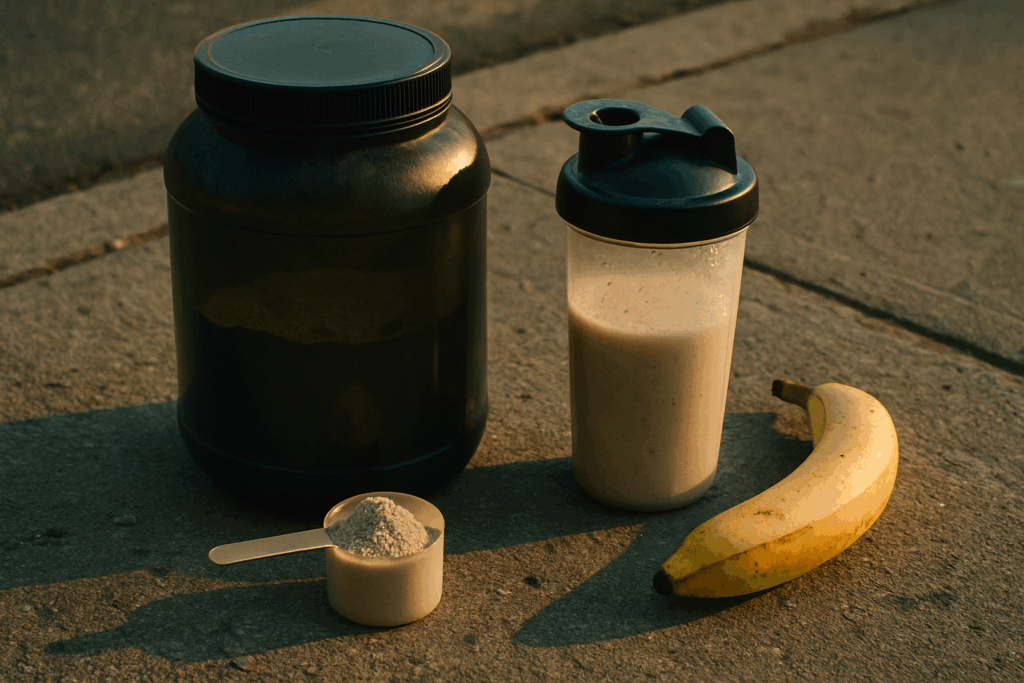
Why Timing Your Nutrition Matters
Your body isn’t an unlimited energy machine. Whether you’re lifting, sprinting, or grinding through a HIIT session, you’re burning through fuel at a rapid pace. Muscles don’t just run on discipline they run on glycogen, amino acids, and hydration. When those stores run dry, performance crashes. You slow down. You lift less. You lose focus.
Here’s the kicker: the work doesn’t end when the workout does. Recovery is where gains are made, and that process starts with what you eat. Proper nutrition post exercise helps repair muscle fibers, reduce inflammation, and restock depleted energy bins. This rebuild phase isn’t optional it’s where real progress happens.
Now, if you’re someone who skips meals thinking it’s a shortcut to fat loss or that coffee counts as breakfast, think again. Under fueling starves your muscles, delays recovery, and drags down your energy levels. The result? Plateaus, fatigue, injuries, and frustration.
Food isn’t just fuel it’s strategy. Nail the timing, and your training actually pays off.
What to Eat Before a Workout
Eating before a workout isn’t about stuffing yourself full it’s about fueling with purpose. Your body needs energy, hydration, and staying power to push through training without running on empty. The sweet spot? Get your meal or snack in 30 minutes to 2 hours before exercise. Enough time to digest, but close enough to still feel the impact.
Start with carbs, the fuel your muscles pull from first. Blend fast digesting (like a banana or white toast) with slow digesting options (like oats or whole grains) for steady energy. Add light protein like yogurt, eggs, or nut butter for longer endurance and amino acid support. Don’t skip fluids. Dehydration sneaks up quick and takes down performance faster than you’d think.
Smart pre workout pairings include:
Banana with a spoon of almond butter
Plain oatmeal topped with berries and a pinch of chia
Low fat Greek yogurt with honey and granola
What to avoid? Heavy fats (think fried foods, cheese laden meals), excess sugar (dense pastries, soda), or anything that makes you feel bloated. If your gut’s working overtime, your performance won’t be.
Dial in your pre game routine, and you’re already halfway to a better session.
For more, check out this full guide on what to eat before and after your workout.
What to Eat After a Workout
Training breaks your muscles down. Food builds them back up. What you eat after you train matters as much as the workout itself.
The window is tight aim to refuel within 45 minutes after exercise. That’s when your body is primed to absorb nutrients, refill glycogen stores, and kick start muscle repair. Ignore this window and recovery slows, soreness drags, and progress stalls.
Here’s what your body needs:
Protein (20 30g): This is the rebuild phase. Whether it’s whey, eggs, or lean meats, you need quality protein fast to repair muscle tissue and grow stronger.
Carbs: You just burned through glycogen. Now you need to top it back up. Focus on moderate to high glycemic carbs rice, fruit, potatoes to support recovery.
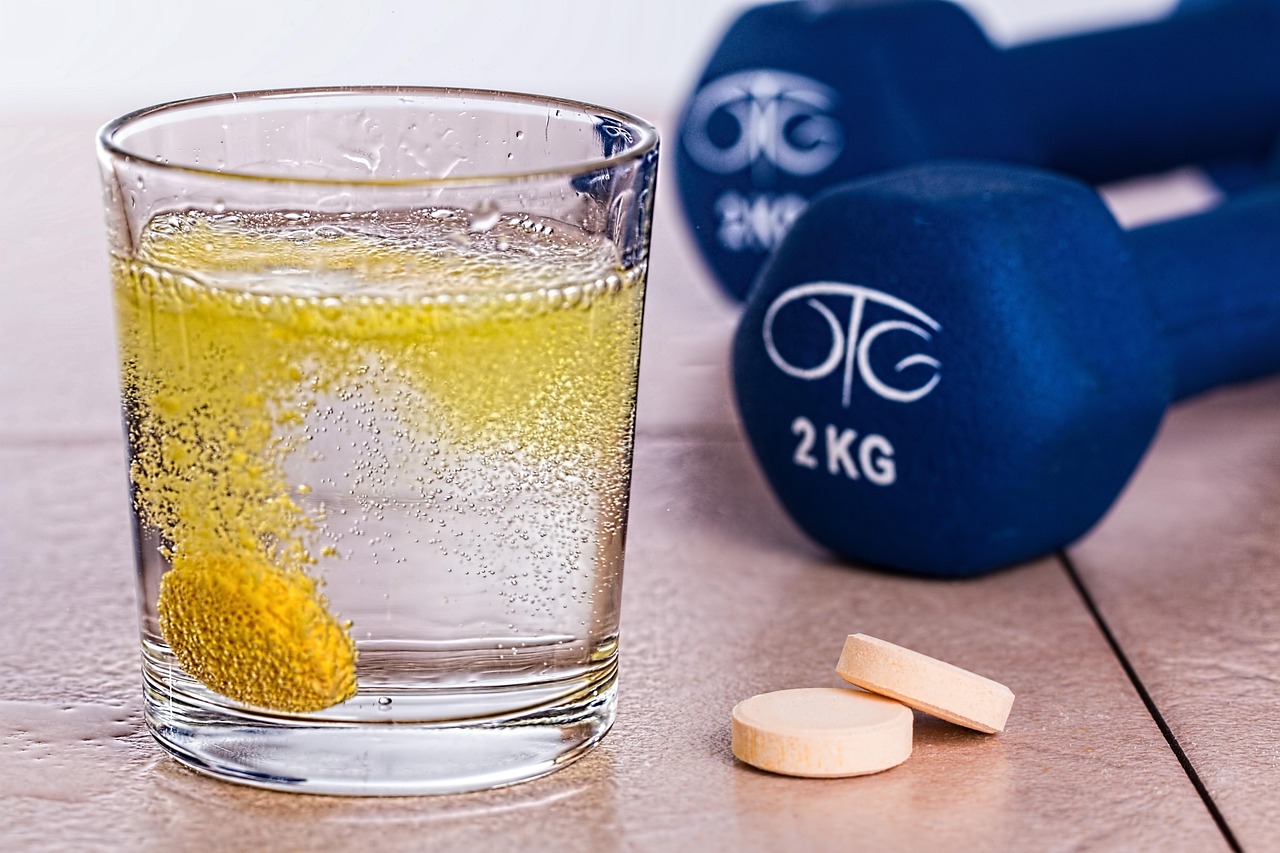
Electrolytes: Sweating costs you sodium, potassium, and magnesium. Replacing them keeps muscle cramps and fatigue at bay.
Simple, smart meals get the job done. Think grilled chicken with rice and steamed veggies. Or a quick smoothie one scoop protein, banana, handful of berries, almond milk, pinch of sea salt.
Your post workout plate isn’t just fuel. It’s your results, recovery, and readiness for the next session.
Dive deeper into pre and post workout food
Common Mistakes to Avoid
Some habits seem harmless but quietly sabotage your progress. Start with fasted training. It works for a few, but too often it just leaves people drained, lightheaded, and underperforming. Without fuel, your body eats into energy reserves fast, and that usually means muscle, not just fat.
Then there’s the other side: overeating after a light workout. Burning off 200 calories doesn’t give you a pass for a 1,000 calorie recovery feast. Nourishing your body and overindulging aren’t the same thing.
Hydration is another overlooked piece. You can eat clean and train hard, but if you’re depleted on sodium and fluids, you’re setting yourself up for fatigue, cramping, and slower recovery. Sip water steadily through the day not just after training and pull in electrolytes when you sweat a lot, especially in long or intense sessions.
Lastly, don’t mistake convenience for quality. Supplements can help, but real food should still be your foundation. A protein shake helps in a pinch, not as a permanent substitute for balanced meals. Thoughtful, consistent nutrition beats shortcuts every time.
Bonus Tips for Consistency
Meal prep isn’t flashy, but it works. Set aside time once or twice a week to knock out your basics lean proteins, roasted veggies, complex carbs. Pack them up. Stack them in the fridge. When life gets chaotic, you’ll already have the fuel ready.
Not a fan of full prep? At least keep healthy grab and go choices within reach. Think boiled eggs, Greek yogurt, mixed nuts, fruit, or clean protein bars. These are your lifelines for busy days, when hitting your macros might otherwise go out the window.
And don’t skip sleep. It’s not just recovery it’s part of the training. Your muscles reset, your hormones balance, and your energy stores refill while you rest. Late nights and early lifts don’t mix in the long run.
Fueling consistently means fewer excuses, better results. Fuel right and your workout becomes more than movement it becomes transformation.