
I’ve seen too many people bounce from one diet to another, losing weight only to gain it back within months.
You’re probably tired of conflicting advice. One expert says carbs are fine, another says they’re poison. Someone swears by intermittent fasting while your doctor tells you to eat breakfast.
Here’s the truth: most diet advice isn’t built to last. It’s built to sell.
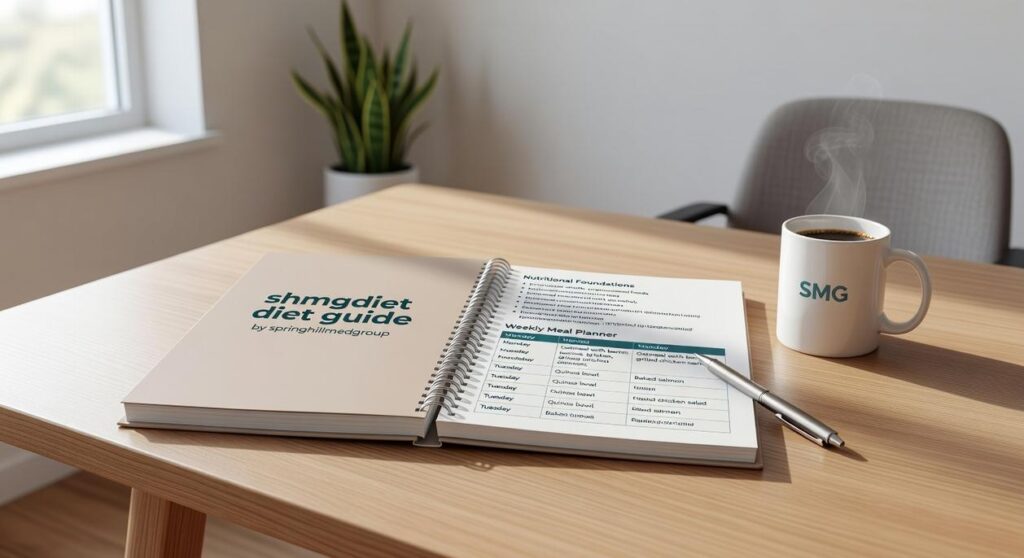
That’s why we created the shmgdiet diet guide by springhillmedgroup. It’s not another trendy eating plan that works for six weeks then falls apart.
This guide comes from healthcare professionals who treat real patients dealing with weight management, metabolic health, and chronic conditions. We see what actually works over years, not just weeks.
You’ll get a clear framework for eating that you can stick with. We focus on balanced meals, realistic portions, and habits that fit into your actual life.
No food groups are off limits. No extreme restrictions. No counting every calorie like it’s a part-time job.
This is about building an eating pattern that supports your health goals without making you miserable. Because sustainable beats perfect every single time.
The Core Principles: Understanding What Your Body Needs
You’ve probably heard it a thousand times.
Count your calories. Stay under your number. Watch the weight drop off.
But if it were really that simple, we’d all be walking around at our ideal weight.
The truth is, your body doesn’t care about calories the way you think it does. A 200-calorie donut and 200 calories of salmon do completely different things inside you. One spikes your blood sugar and leaves you hungry an hour later. The other rebuilds muscle and keeps you full for hours.
That’s nutrient density. And it matters way more than the number on the package.
Let me break down what your body actually needs.
Proteins rebuild you. Every time you move, breathe, or even think, you’re breaking down tissue. Protein repairs it. I’m talking about lean meats, fish, beans, lentils, and tofu. Real food that your body recognizes.
Carbohydrates fuel you. But not all carbs are created equal. Your body runs better on complex carbs like quinoa, oats, sweet potatoes, and whole grains. They release energy slowly instead of crashing you an hour after breakfast.
Fats run your hormones. Without enough healthy fats, your entire system gets thrown off. Focus on unsaturated fats from avocados, nuts, seeds, and olive oil. (Yes, you need fat to lose fat. I know it sounds backwards.)
Now here’s what most people skip entirely.
Micronutrients. The vitamins and minerals hiding in colorful fruits and vegetables. Your body needs these to do pretty much everything, from healing cuts to fighting off whatever cold is going around your office.
The shmgdiet diet guide by springhillmedgroup puts it simply. Eat a variety of colors throughout your week and you’ll cover most of your bases without obsessing over individual vitamins.
When you shift your focus from counting every calorie to choosing quality food, eating gets a lot easier. And your body responds better too.
The Spring Hill Plate Method: A Simple Visual for Perfect Portions
You’ve probably tried counting calories before.
Maybe you even bought a food scale and weighed everything that went into your mouth. It worked for a while, but then life got busy. You stopped measuring. The weight came back.
Here’s what most people don’t tell you about portion control.
The problem isn’t that you lack discipline. It’s that weighing and tracking every single thing you eat isn’t realistic for most of us.
Some experts swear by calorie counting. They’ll show you studies proving that precise tracking leads to better results. And sure, if you’re prepping for a bodybuilding competition or have very specific goals, that level of detail might make sense.
But for everyday eating? It’s exhausting.
That’s where the plate method comes in. I use it with clients at shmgdiet because it works without turning every meal into a math problem.
How the Plate Method Actually Works
Think of your plate as a pie chart. No measuring cups needed.
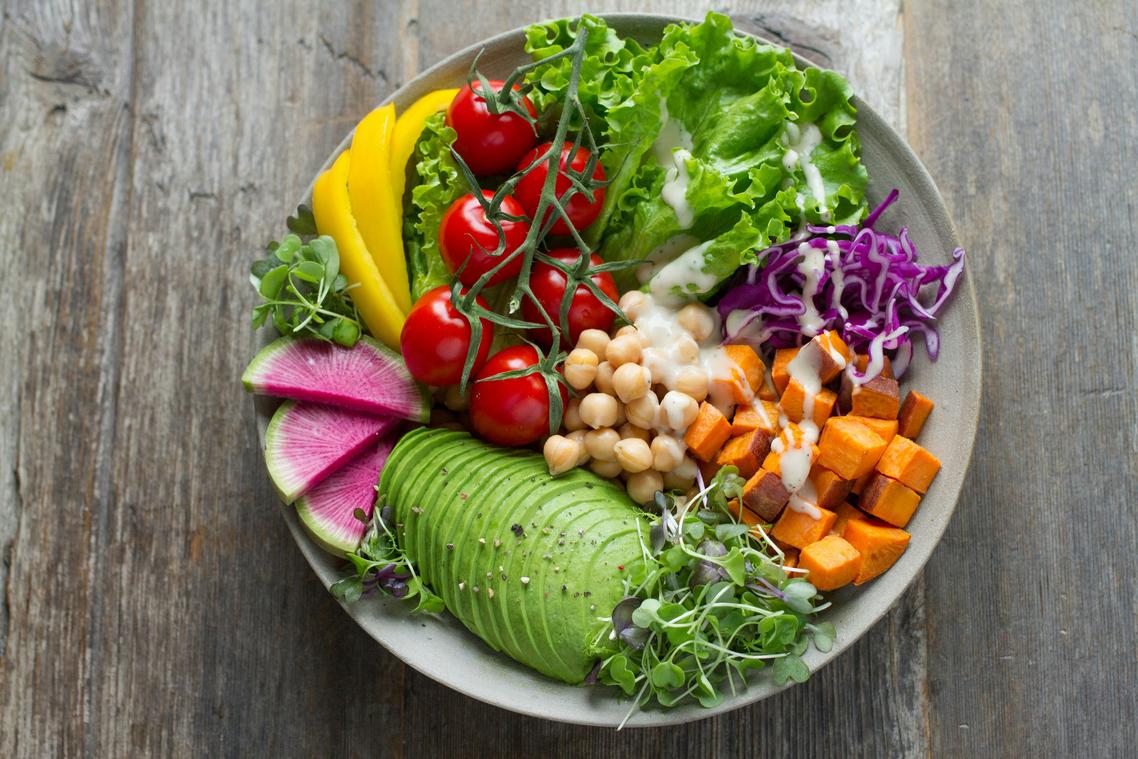
Half your plate goes to non-starchy vegetables. I’m talking broccoli, spinach, bell peppers, cauliflower, zucchini, salad greens. These give you fiber and nutrients without loading up on calories. Most people don’t eat nearly enough of these.
A quarter of your plate is lean protein. Grilled chicken breast, baked fish, lean ground turkey, tofu, or lentils. Protein keeps you full and helps maintain muscle (which matters more than most people think).
The last quarter is for complex carbs. Brown rice, quinoa, a small baked sweet potato, or whole wheat pasta. These give you energy that lasts instead of spiking your blood sugar and crashing an hour later.
Now here’s the part people often miss.
You still need healthy fats. Add about a thumb-sized portion to your meal. A slice of avocado, a drizzle of olive oil, or a sprinkle of seeds works perfectly.
The shmgdiet diet guide by springhillmedgroup breaks this down even further if you want more specific guidance. But honestly, this basic template handles most situations.
Pro tip: Use a smaller plate if you’re trying to lose weight. A nine-inch plate filled this way gives you proper portions without feeling deprived.
The beauty of this method? You can eyeball it at restaurants, at family dinners, or when you’re rushing through a weekday lunch. No app required.
Smart Hydration and Strategic Snacking
You’ve probably heard it a thousand times.
Drink more water. Snack smarter.
But here’s what nobody tells you. Most people mess this up because they treat hydration and snacking like separate things. They’re not.
When you’re dehydrated, your body sends signals that feel a lot like hunger. You reach for chips when what you really need is a glass of water.
I see this all the time. Someone tells me they can’t stop snacking between meals. Then I ask how much water they’re drinking. The answer is usually coffee and maybe a glass at dinner.
That’s the problem right there.
Why Water Actually Matters
Your body needs water to break down food. Without enough of it, your digestion slows down and your metabolism takes a hit (according to research published in the Journal of Clinical Endocrinology & Metabolism).
But here’s the part that matters for weight management.
Water fills your stomach. It helps you recognize when you’re actually hungry versus just bored or thirsty.
Aim for about 8 glasses a day. That’s roughly 64 ounces. If you’re working out or it’s hot outside, you’ll need more.
Snacking That Works
Now let’s talk about snacks.
Most people think of snacks as treats. Something you earn or something to feel guilty about later.
I want you to think differently.
Snacks are bridges between meals. They keep your blood sugar steady so you don’t walk into dinner ready to eat everything in sight.
The trick is simple. Pair protein with fiber.
An apple with almond butter. Greek yogurt with berries. Baby carrots with hummus.
This combination keeps you full longer than crackers or pretzels ever will. The nutrition advice shmgdiet recommends this approach because it actually works.
Pro tip: Prep your snacks on Sunday. Portion them into containers so you’re not making decisions when you’re already hungry.
Meal Planning and Preparation for a Healthier Week
You open the fridge at 7 PM on a Tuesday.
Nothing looks good. Or rather, nothing looks easy.
So you order takeout. Again.
I’ve been there. We all have. And honestly, some people will tell you that meal planning is too rigid. That it takes the joy out of eating. That spontaneity matters more than structure.
They’re not entirely wrong. There’s something nice about deciding what you want in the moment.
But here’s what I’ve learned.
That “spontaneity” usually means grabbing whatever’s fastest when you’re already starving. And fast rarely means healthy.
Planning removes the guesswork. You’re not staring into an empty fridge wondering what to make. You already know.
You don’t need to spend your entire Sunday cooking every single meal for the week. That’s exhausting just thinking about it.
Start with what I call component prepping.
Cook a batch of grains. The smell of quinoa or brown rice simmering on the stove fills your kitchen with this warm, nutty aroma. You make enough to last several days. Store it in a clear container where you can see those fluffy grains ready to go.
Prep your proteins. Grill a few chicken breasts until you hear that satisfying sizzle and see those perfect char marks. Or bake a salmon filet until the flesh turns that pale pink and flakes easily under your fork. The kitchen smells incredible (and your neighbors will probably get jealous).
Wash and chop vegetables. Run crisp bell peppers and crunchy carrots under cold water. Hear the snap as you cut through fresh broccoli stems. Stack everything in containers where those bright colors catch your eye every time you open the fridge.
Now you’ve got options.
Grab the quinoa, toss it with those chopped veggies, add some grilled chicken. Dinner in ten minutes. Or mix the salmon with greens that still have that satisfying crunch.
Before you shop, plan your meals using the shmgdiet diet guide by springhillmedgroup. Build your list around what you actually need. Proteins, whole grains, vegetables.
No more wandering the aisles grabbing random items that never become actual meals.
Lifestyle Habits That Amplify Your Results
You can nail your macros and hit the gym five days a week. But if your lifestyle is working against you, you’ll struggle.
I’m talking about the stuff that happens outside your meals and workouts.
The Power of Mindful Eating
Most of us eat while scrolling through our phones or watching TV. We finish an entire plate without tasting a single bite.
Here’s what I want you to try. Slow down. Put your fork down between bites. Actually taste your food.
When you eat mindfully, you notice when you’re full. You stop before you’re stuffed. It sounds simple because it is.
The Sleep-Diet Connection
You already know sleep matters. But here’s what you might not know.
When you don’t sleep enough, your body cranks up ghrelin (the hormone that makes you hungry) and turns down leptin (the one that tells you you’re full). You end up craving pizza and cookies even when you planned to eat clean.
I see this all the time. Someone follows the shmgdiet diet hacks from springhillmedgroup perfectly during the day. Then they get five hours of sleep and raid the pantry at midnight.
Aim for seven to nine hours. Your hunger hormones will thank you.
Managing Stress
Stress makes you reach for comfort food. That’s just biology.
When cortisol spikes, your brain wants quick energy. Usually in the form of something fried or covered in sugar.
You don’t need to become a meditation guru. Just find something that helps you decompress. A walk around the block works. So does calling a friend or working on a hobby you actually enjoy.
Your Path to Lasting Health
You came here because you were tired of confusing diet trends that contradict each other.
I get it. One day carbs are the enemy and the next day they’re essential. It’s exhausting.
This guide gave you something different. The shmgdiet diet guide by springhillmedgroup is built on medical principles that actually work. No gimmicks or quick fixes.
The Plate Method makes healthy eating simple. Half your plate gets vegetables. A quarter goes to lean protein. The last quarter is for whole grains. That’s it.
Add in some mindful lifestyle habits and you have a clear path forward. One that you can actually stick with.
You don’t need another complicated meal plan or restrictive diet. You need a system that fits into your real life.
Here’s what to do right now: Plan just one meal using the Plate Method. Pick lunch or dinner tomorrow. Fill your plate the right way and see how you feel.
That’s your first step. Take it today. Homepage.