
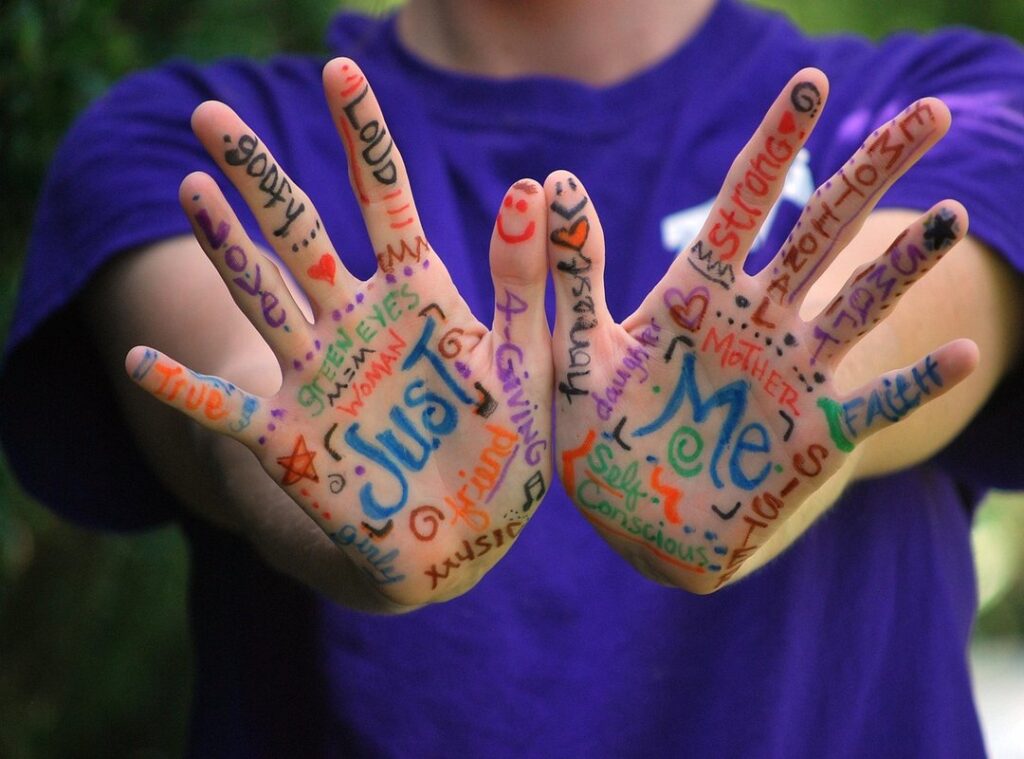
You’ve probably heard the word “yepo” in a K-drama or K-pop song and wondered what it means. Yepo artinya—this article will give you the clear and simple meaning.
I’ll also help you understand the context, pronunciation, and how to use it correctly. Understanding simple words like “yepo” is the first step to connecting more deeply with Korean culture and entertainment.
So, let’s dive in and make sure you get the full picture.
The Simple Definition of ‘Yepo’ (예뻐)
Yepo (예뻐) means ‘pretty’ or ‘beautiful’ in Korean. It’s the informal, conversational form of the word, which is crucial for understanding its common usage.
It comes from the adjective yeppeuda (예쁘다), which is the dictionary form for ‘to be pretty’.
For English speakers, it’s pronounced like yeh-paw. The emphasis is usually on the first syllable.
Yepo is typically used to describe people, animals, clothes, or objects that are visually pleasing in a charming or lovely way.
yepo artinya in this context, it’s a casual and friendly way to express admiration.
This dress is so yepo, and see? It’s simple and easy to use in everyday conversation.
Understanding yepo can help you connect better with Korean speakers and add a touch of authenticity to your interactions.
How to Use ‘Yepo’ in Everyday Conversation
When it comes to using ‘yepo’ in everyday conversation, context is key. It’s best used with friends, people your age, or those younger than you. The informal nature of ‘yepo’ makes it perfect for casual settings.
Neo yepo, and you’re pretty! Ige yepo.
This is pretty, and our puppy is so yepo.
These examples show how versatile ‘yepo’ can be. But what if you need to be more formal? That’s where ‘yeppeoyo’ (예뻐요) comes in.
Adding ‘yo’ at the end makes it more polite and suitable for use with elders or in more formal settings.
So, when should you use which, and let’s break it down:
- With friends or peers: Use ‘yepo’.
- With elders or in formal settings: Use ‘yeppeoyo’.
You can even use ‘yepo’ as a question: Yepo? Is it pretty? This adds another layer of flexibility to your conversations.
But here’s a word of caution. Avoid using the informal ‘yepo’ with a new boss or an elderly stranger. It might come off as disrespectful. read more
Stick to the more formal ‘yeppeoyo’ in these situations.
Understanding the difference between ‘yepo’ and ‘yeppeoyo’ can help you navigate social interactions more smoothly. Just remember, ‘yepo artinya’ is all about being casual and friendly, while ‘yeppeoyo’ keeps things respectful and polite.
‘Yepo’ vs. Other Korean Words for ‘Beautiful’
When it comes to describing beauty in Korean, one common point of confusion is the difference between yepo (예뻐) and areumdawo (아름다워).
Yepo means pretty or lovely. It’s a word you might use to describe a person or a dress that looks nice.
Areumdawo, on the other hand, also means beautiful but carries a deeper, more profound, and often more artistic or awe-inspiring connotation. A stunning landscape, a moving piece of art, or a bride on her wedding day would be described as areumdawo.
Another related word is gwiyeowo (귀여워), which means cute. This is used for things that are adorable and charming, not necessarily pretty or beautiful.
Here’s a simple breakdown:
- Yepo = Pretty/Lovely
- Areumdawo = Beautiful/Stunning
- Gwiyeowo = Cute/Adorable
Understanding these nuances can help you sound more natural when speaking Korean. For example, yepo artinya pretty in Indonesian, but in Korean, you’d use it to say someone or something is lovely.
By knowing the right word to use, you can express yourself more accurately and connect better with native speakers.
Why ‘Yepo’ is a Staple in K-Dramas and K-Pop
If you’re into Korean dramas or K-pop, you’ve probably heard the word yepo more times than you can count. It’s not just a random phrase; yepo artinya it’s a common, natural compliment in everyday Korean life.
You’ll often hear it in romantic scenes as a term of endearment or a heartfelt compliment. It adds a layer of authenticity to the characters and their interactions.
Next time you watch your favorite K-drama or listen to a K-pop song, challenge yourself to spot yepo, yeppeoyo, and yeppeuda. You might be surprised how often they pop up!
More Than Just a Word: Your Next Step
yepo artinya means ‘pretty,’ and it’s the informal version, different from ‘areumdawo’ (beautiful) and ‘gwiyeowo’ (cute).
You now have a complete understanding of the term and can recognize and use it with confidence.
Learning these small but common words is the best way to feel more connected to the culture.
Try using the word, even if just to yourself, when you see something pretty. This will help solidify your learning.
 There is a specific skill involved in explaining something clearly — one that is completely separate from actually knowing the subject. Tobyer Lewisons has both. They has spent years working with healthy eating tips in a hands-on capacity, and an equal amount of time figuring out how to translate that experience into writing that people with different backgrounds can actually absorb and use.
Tobyer tends to approach complex subjects — Healthy Eating Tips, Nutrition and Diet Updates, Fitness and Exercise Plans being good examples — by starting with what the reader already knows, then building outward from there rather than dropping them in the deep end. It sounds like a small thing. In practice it makes a significant difference in whether someone finishes the article or abandons it halfway through. They is also good at knowing when to stop — a surprisingly underrated skill. Some writers bury useful information under so many caveats and qualifications that the point disappears. Tobyer knows where the point is and gets there without too many detours.
The practical effect of all this is that people who read Tobyer's work tend to come away actually capable of doing something with it. Not just vaguely informed — actually capable. For a writer working in healthy eating tips, that is probably the best possible outcome, and it's the standard Tobyer holds they's own work to.
There is a specific skill involved in explaining something clearly — one that is completely separate from actually knowing the subject. Tobyer Lewisons has both. They has spent years working with healthy eating tips in a hands-on capacity, and an equal amount of time figuring out how to translate that experience into writing that people with different backgrounds can actually absorb and use.
Tobyer tends to approach complex subjects — Healthy Eating Tips, Nutrition and Diet Updates, Fitness and Exercise Plans being good examples — by starting with what the reader already knows, then building outward from there rather than dropping them in the deep end. It sounds like a small thing. In practice it makes a significant difference in whether someone finishes the article or abandons it halfway through. They is also good at knowing when to stop — a surprisingly underrated skill. Some writers bury useful information under so many caveats and qualifications that the point disappears. Tobyer knows where the point is and gets there without too many detours.
The practical effect of all this is that people who read Tobyer's work tend to come away actually capable of doing something with it. Not just vaguely informed — actually capable. For a writer working in healthy eating tips, that is probably the best possible outcome, and it's the standard Tobyer holds they's own work to.